Naperville's Mold Prevention Treatment Specialists
Stop Water Damage From Becoming Mold
The first 24 to 48 hours matter most for drying, cleaning, and preventing avoidable mold growth.
Naperville's Mold Prevention Treatment Specialists
The first 24 to 48 hours matter most for drying, cleaning, and preventing avoidable mold growth.
Mold prevention after water damage is about timing and moisture control. If wet drywall, carpet pad, insulation, base plates, or stored contents stay damp for 24 to 48 hours, mold risk rises quickly.
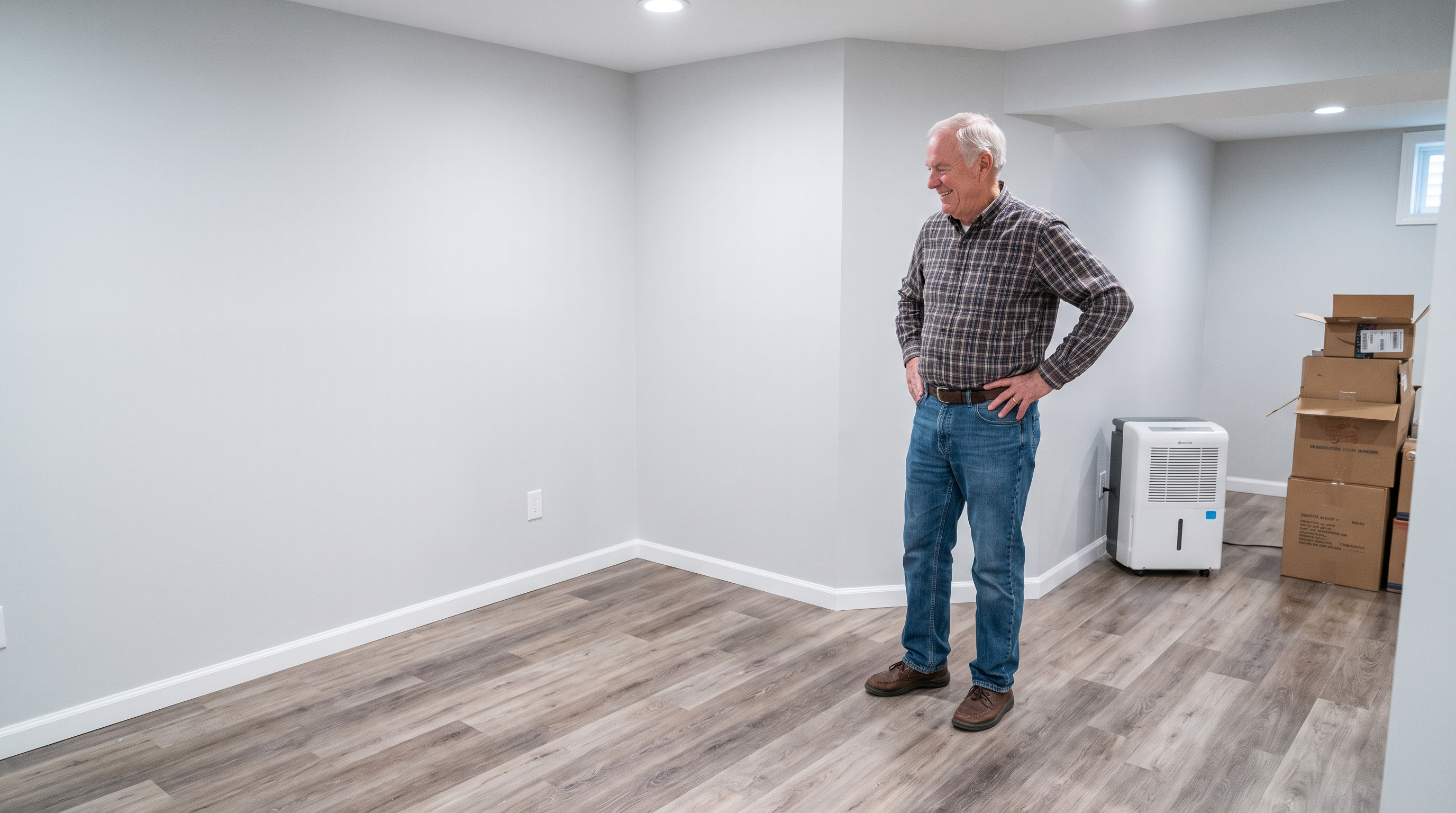
Naperville basements are especially vulnerable because they often contain finished walls, limited airflow, stored cardboard, upholstered furniture, and sump pits. A power outage during a spring storm can leave a basement wet long enough for hidden cavities to become a problem.
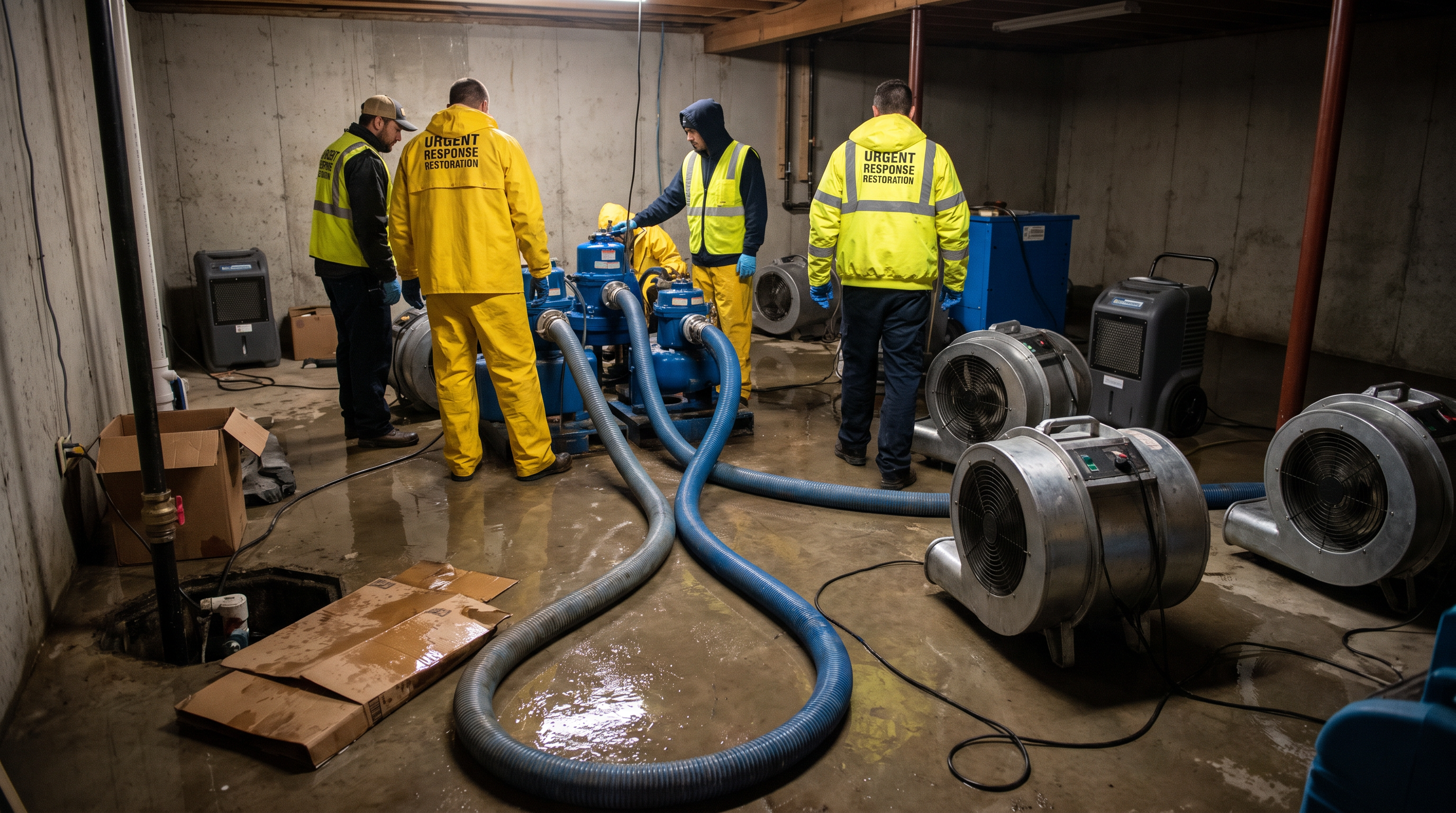
Prevention may include rapid extraction, dehumidification, removal of materials that cannot be dried, cleaning, and antimicrobial treatment on affected surfaces. The approach depends on the water category and whether any visible mold already exists.
Illinois requires licensed mold remediation contractors for mold remediation. If mold is already visible or the loss sat too long, the project may need a licensed remediation scope rather than a basic prevention treatment.
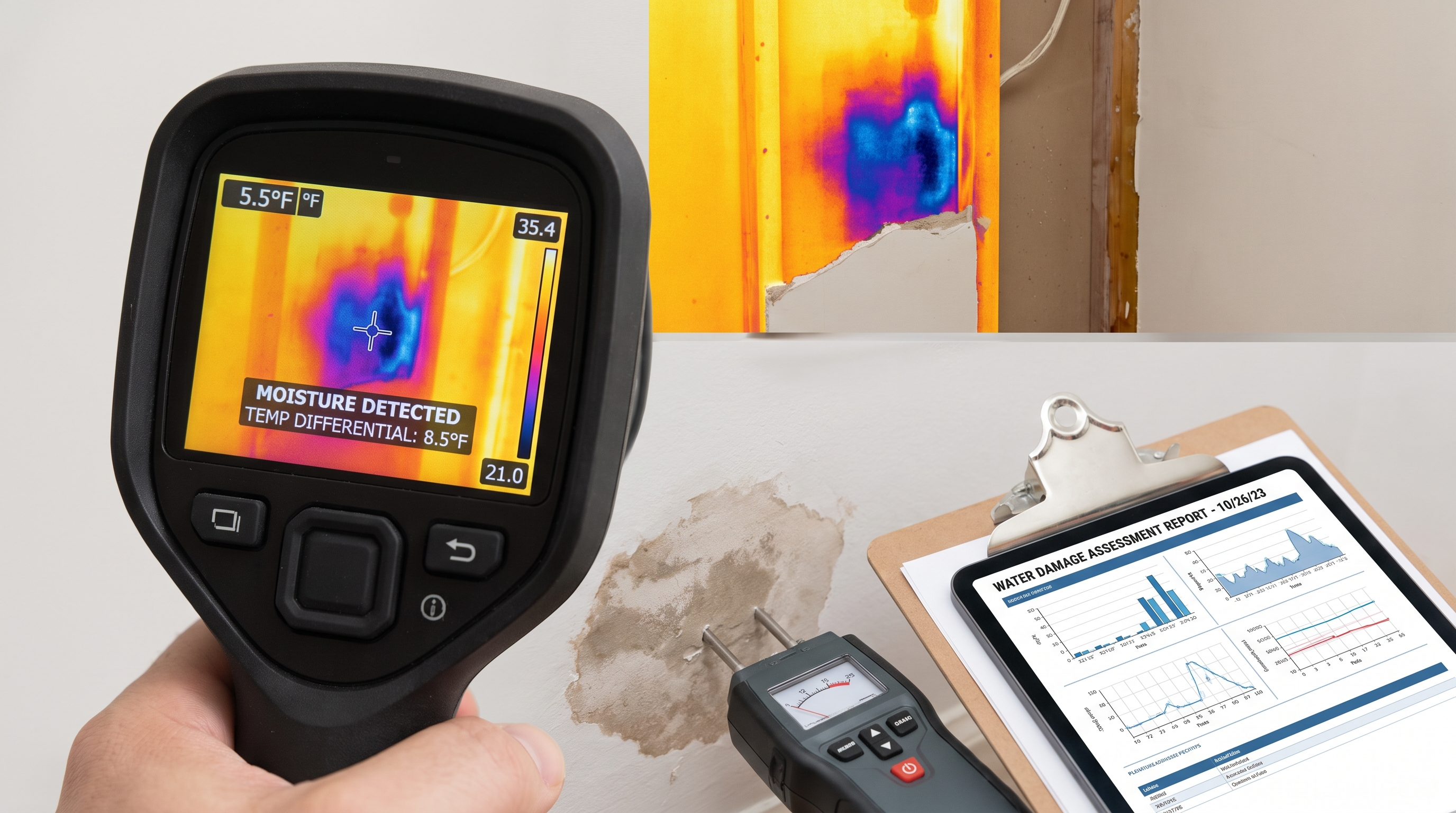
Mold prevention focuses on moisture removal, contaminated-material decisions, and surface treatment before growth gets established.
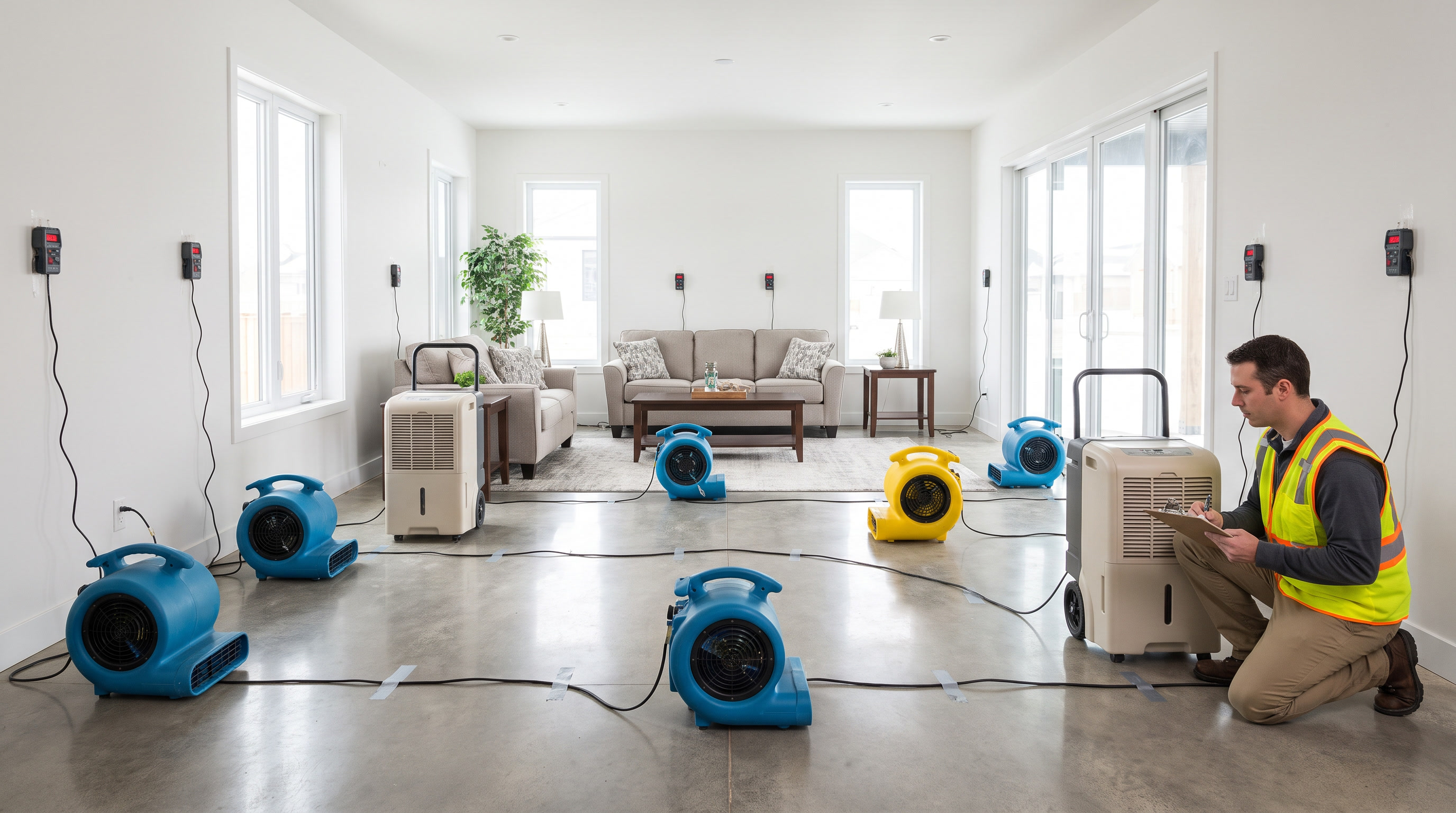
Air movement and dehumidification are set up quickly so wet materials do not stay in the danger window. Drying targets should be measured with moisture readings.
Carpet pad, insulation, contaminated drywall, and porous contents may need removal if they cannot be dried safely. Leaving saturated porous material in place can create a hidden mold source.
Appropriate antimicrobial products may be applied to cleaned, affected surfaces after extraction and before drying is completed. Treatment should support drying, not replace it.
Mold prevention is most effective before growth is established. Contractors focus on fast moisture control rather than waiting for odor or staining.
If visible mold is present, the job may require a licensed mold remediation contractor. The referral path accounts for that requirement instead of treating mold as a simple cleaning add-on.
Start drying and treatment before wet materials sit through another day.
Free — no obligations
The contractor checks when the water loss happened, what materials are wet, whether mold is visible, and what water category is involved.
Extraction, dehumidification, air movement, and selective removal are used to reduce the conditions mold needs to grow.
Affected surfaces are cleaned and treated where appropriate after contaminated or unsalvageable materials are addressed.
Photos, readings, and treatment notes are recorded for the homeowner and insurance file.